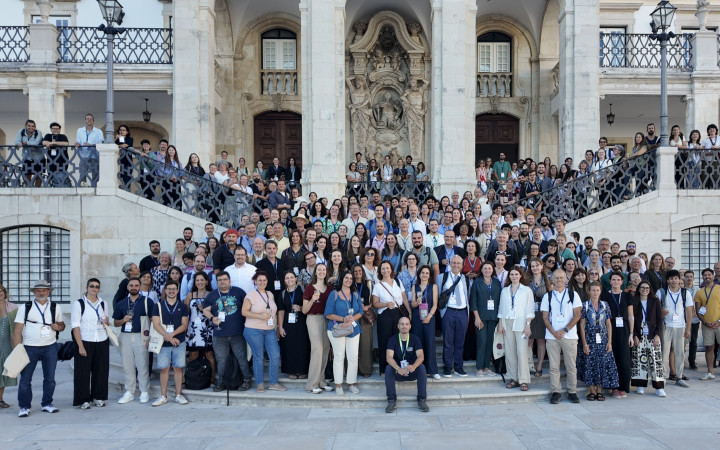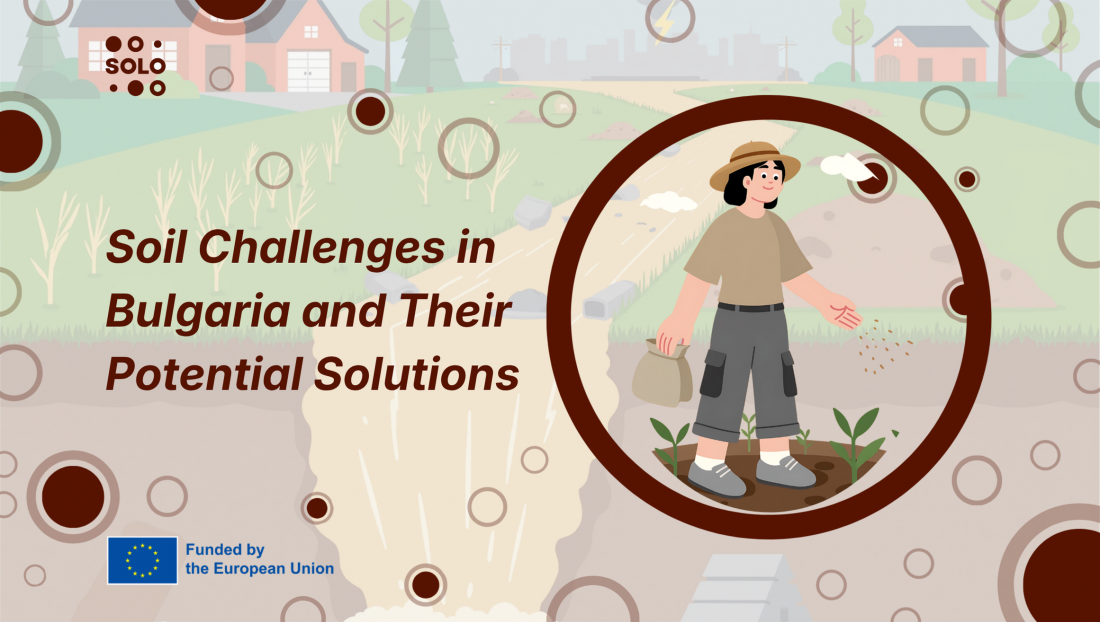
On April 23, Pensoft held its last Soil Week event as a part of the project’s Soil Week Initiative. The session was titled "What are the biggest soil challenges in Bulgaria? (And why do solutions lag?)" and brought together a diverse group of academics, researchers, policy makers, and technical experts. The discussion moved beyond general environmental concerns and also pointed to the institutional and economic barriers preventing the transition of Bulgaria’s agricultural practices from conventional to sustainable ones.
A recurring theme throughout the session was the "expertise deficit" within national scientific organisations. While the country is not short of theoretical knowledge, there is currently a lack of experts to provide technical assistance to the farmers. Participants stressed the importance of an audit of national scientific expertise and the need for an educational reform to both create more awareness and to facilitate the training of a new generation of soil specialists.
Some of the participants addressed the "naked" soils that lead to degradation and carbon loss during winter. It was emphasised that cover crops could be a very effective and, in fact, profitable solution as they would protect the soil and reduce the need for expensive chemical fertilizers, especially as fuel prices rise. However, farmers remain hesitant because they lack empirical evidence that these practices would benefit them.
Perhaps quite a striking revelation was the state of national soil data. Much of the current information is outdated, fragmented, or held by private foreign companies rather than Bulgarian institutions. The potential creation of a National Soil Map would allow the state to identify which regions and soil types are most at risk from degradation and carbon loss and, therefore, encourage appropriate policy making and financial incentives to practitioners.
What should be the next steps?
Moving forward, the priority should be to analyse the current expertise and identify gaps to address, better integrate soil health importance within the educational system, update the national soil map, focus on field activities rather than lab tests, create and maintain reliable databases, and ultimately encourage farmers to make the switch between current conventional practices and sustainable ones.