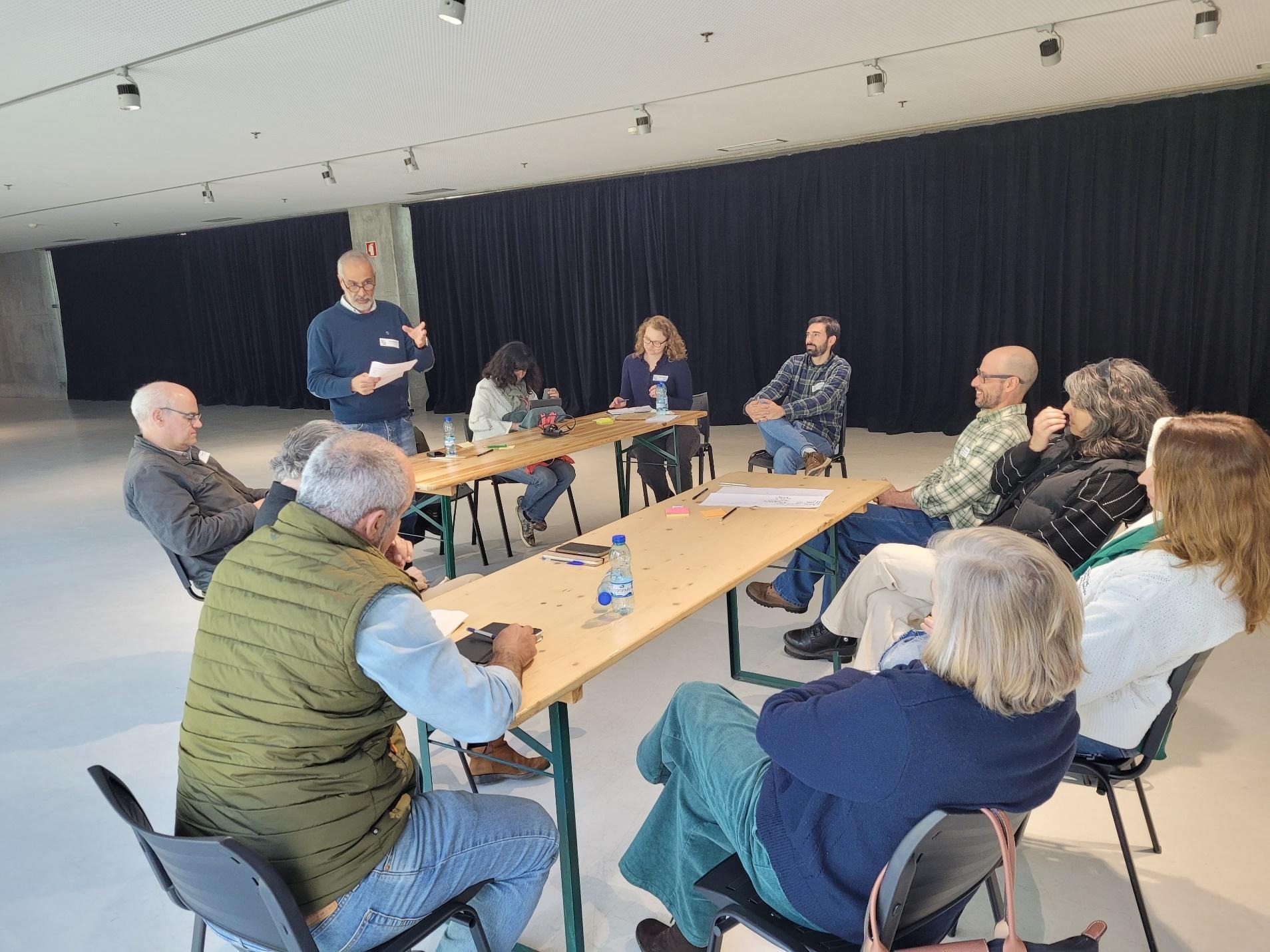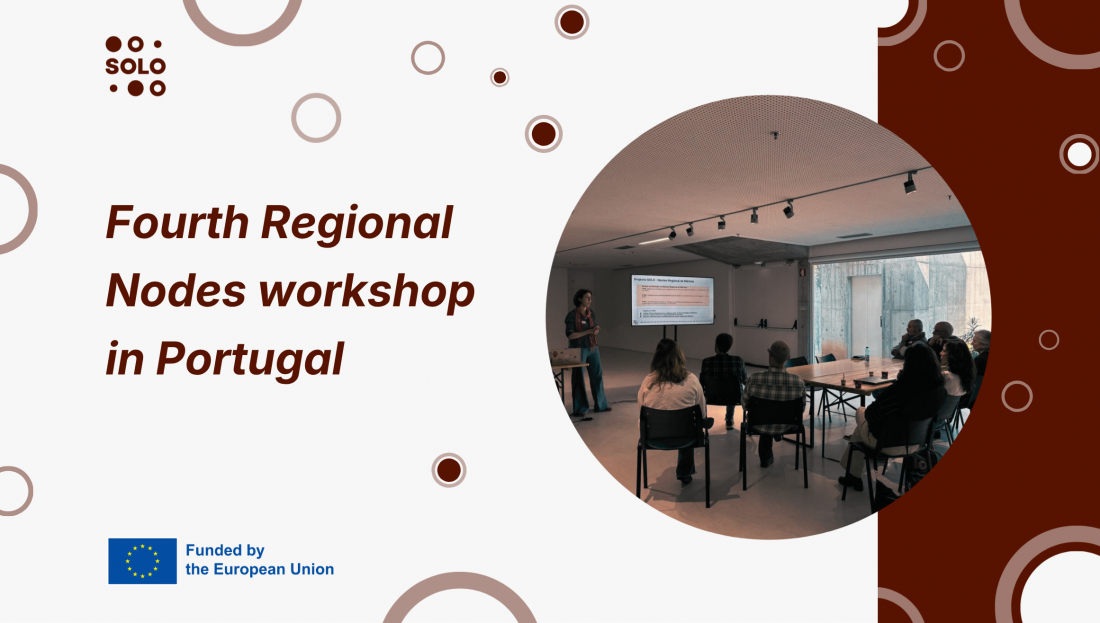
The fourth Portuguese Regional Nodes workshop was held on 17 March 2026 in Mértola. The session brought together many important stakeholder groups, including farmers, landowners, researchers, civil society organisations, and urban and spatial planners, and marked a significant step forward for local soil management.
While the previous workshops from this series paid close attention to the identification and prioritisation of Mission Objectives and knowledge gaps (KGs) and the actions to address the KGs, the fourth session was entirely focused on actors, governance, and roadmap implementation.
The event began with a presentation summarising the results of past workshops and highlighting the regionally relevant KGs and the concrete actions proposed during the third workshop to achieve local soil health objectives.
The Mértola Soil Roadmap, developed by the SOLO Portuguese team, was introduced. While it synthesises previous workshop outcomes, it also serves as a guide for local and regional entities involved in soil management. One of the workshop’s goals was precisely to validate this roadmap and discuss the future governance and implementation of the Mértola Regional Node.
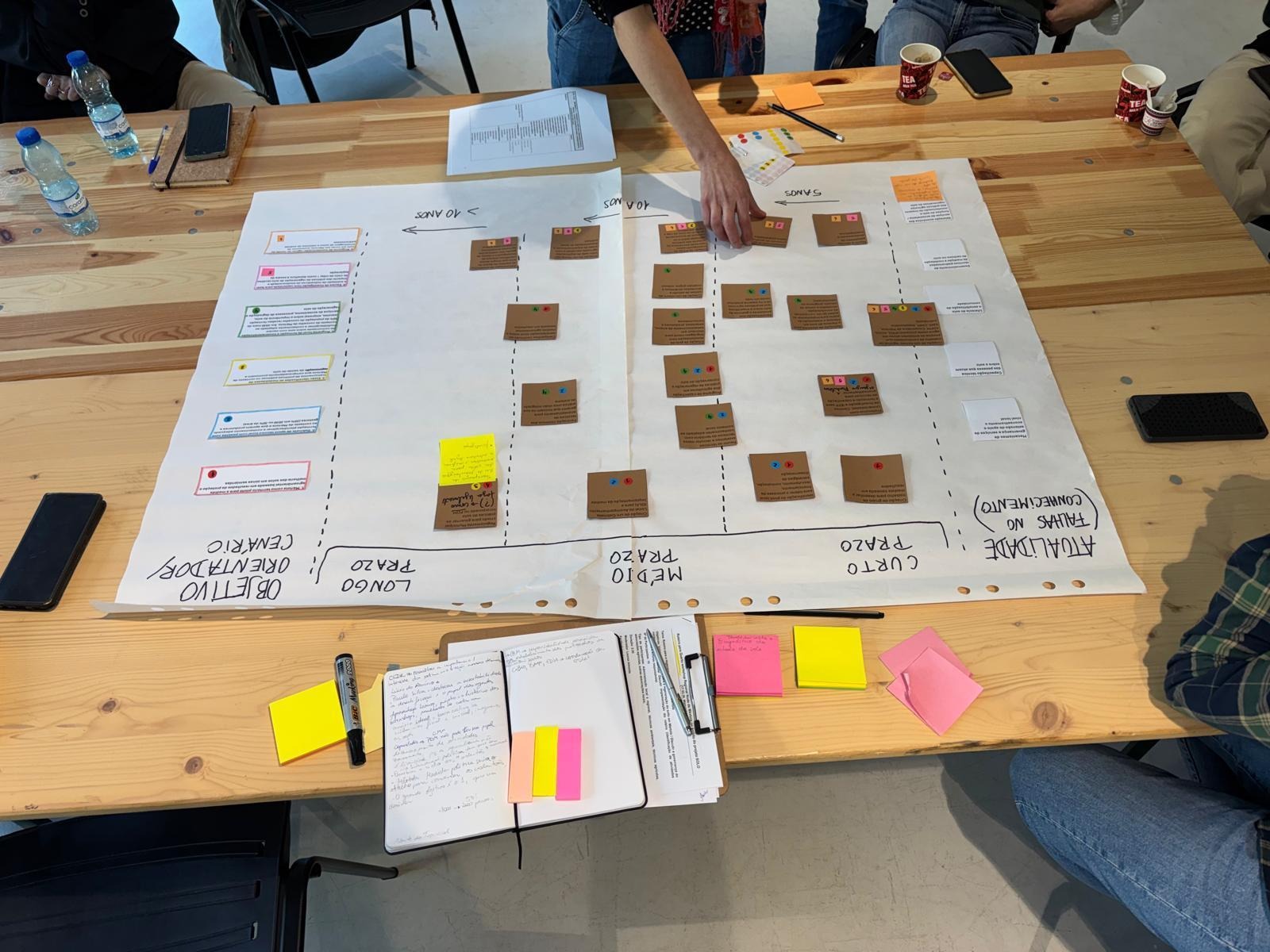
During a plenary session, the stakeholders reviewed a visual representation of the roadmap, which covered five regional KGs identified for 2026 and six soil health objectives representing the desired future scenario. Following a discussion, the team also introduced the core anticipated actions streamlined from the previous workshop. The participants worked together to place these actions into short-, medium-, or long-term timeframes, establish priorities, link them to specific soil health objectives, and assign responsibility to relevant actors.
The final part of the workshop focused on the governance of the roadmap. The attendees tackled questions regarding team organisation, task distribution, and decision-making. They also mapped out necessary activities to track progress, monitor accountability, engage stakeholders, and identify key external entities to whom the roadmap must be presented to secure support beyond the regional level.