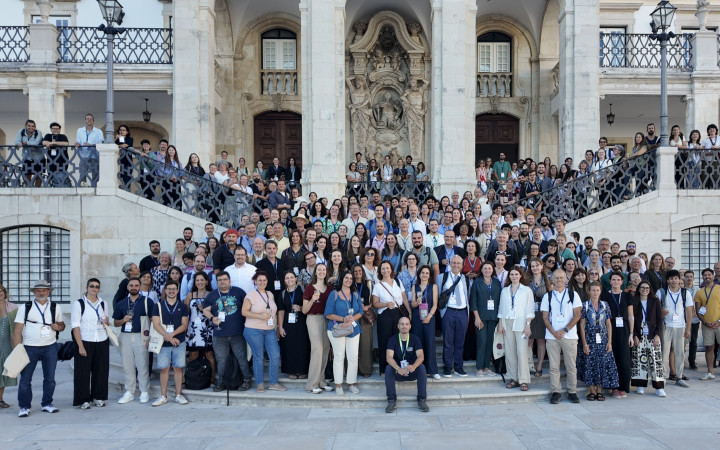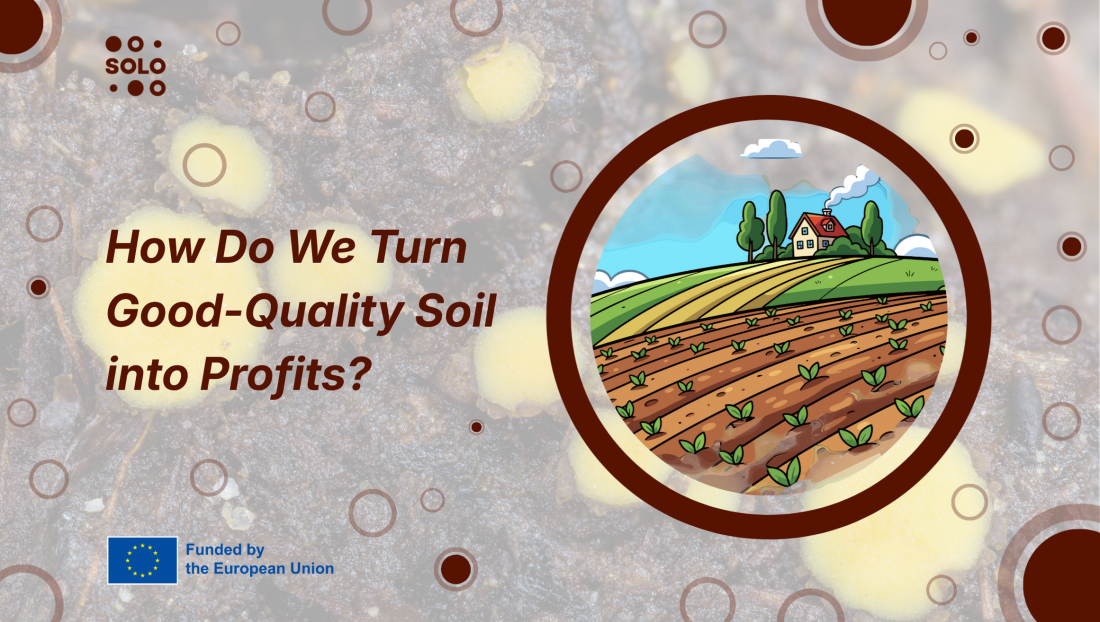
On April 23, our Finnish partners from LUKE hosted a face-to-face panel discussion in Helsinki during the 2026 Soil Week. The event brought together 28 experts from the scientific community, government ministries, and the biotech sector who discussed how high-quality soil can be transformed into a profitable business model while avoiding the high costs of land degradation.
It was highlighted that sustainable soil management will only scale if it makes financial sense. While the circular economy offers great opportunities through recycled fertilisers and side streams, the challenge with safety and costs remains. Participants noted a significant gap between research and profitable business models. They suggested that costs and responsibilities must be shared fairly across the entire value chain, including society and landowners, rather than falling solely on practitioners.
Soil health was framed as a fundamental requirement for food security, clean water, and climate resilience. Beyond farming, healthy soils reduce risks like flooding and nutrient leakage, which directly impact human health and community safety. The panel discussed how new policies are helping shift the public perception of soil, moving away from seeing it as just a base for construction and towards viewing it as a living system that needs protection.
Sustainable land use depends on managing soil based on its specific functions, such as carbon storage or urban green spaces. Many best practices for agriculture and forestry are already known, but their adoption depends on long-term thinking. Even though soil degradation is slow, it is very expensive to reverse, which means that management decisions made today must consider future decades and ensure intergenerational equity.
What should be the next steps?
The priority should be to bridge the gap between research and business to support a circular bioeconomy. Proactive research is needed to ensure new recycled products do not release unknown harmful substances into the soil. Strengthening advisory services and peer learning will also be essential to help land managers adopt sustainable practices.