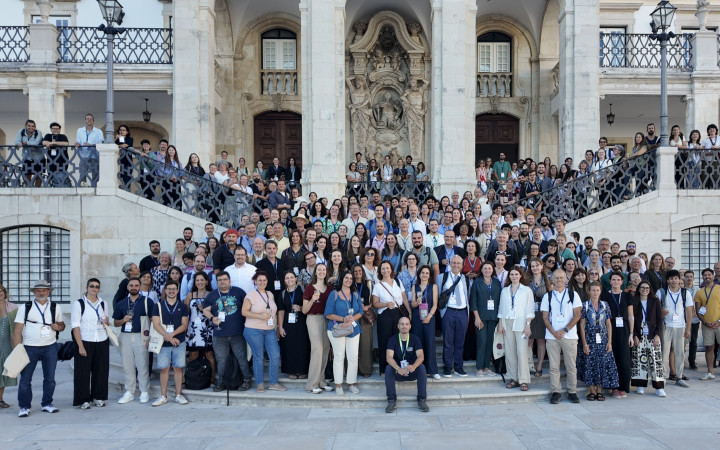
Between April 20 and 24, the University of Antwerp, supported by the Flanders Investment & Trade (FIT) agency, held its Soil Week event in Nairobi, Kenya. It was organised in a rather unusual manner, as a part of FIT’s Governmental Mission that was planned and coordinated with the Belgian Embassy. The event lasted the whole week and consisted of meetings and field trips that actively supported the Footprint on Soils SOLO Think Tank.
The sessions brought together 75 participants, including representatives from the Kenyan Ministry of Agriculture, research institutions, and private sector leaders. The event moved beyond the European perspective and addressed how the EU can reduce its soil footprint and support restoration internationally.
A central theme of the workshops was that soil restoration must be linked to economic value to succeed. In Kenya, where small farm holders are a central part of the ecosystem, stakeholders emphasised that soil health must translate into tangible benefits like food security and higher income. While carbon credit markets and improved productivity offer great potential, the discussion revealed a need for better systems to measure and prove the economic value of healthy soil for local communities.
It was also highlighted that lasting change requires an integrated approach rather than isolated fixes. Participants stressed that soil management strategies must be agreed upon with local farmers to combine their traditional knowledge with scientific research. Furthermore, to ensure long-term success, it is important to align these restoration efforts with national policies and monitor the health of the soil over time.
The event concluded that soil stewardship depends on creating a sense of ownership among local communities. This calls for improving soil literacy and developing and distributing communication materials that are easy to understand for farmers, so they can make informed and sustainable decisions. Last but not least, soil health research is most effective when it is practised in the field by directly involving the practitioners, rather than being kept in the lab.
What should be the next steps?
The priority should be establishing long-term monitoring systems, linking soil restoration to economic incentives for small farmer holders, and ensuring that local everyday experiences remain a central reference point for every research undertaken.