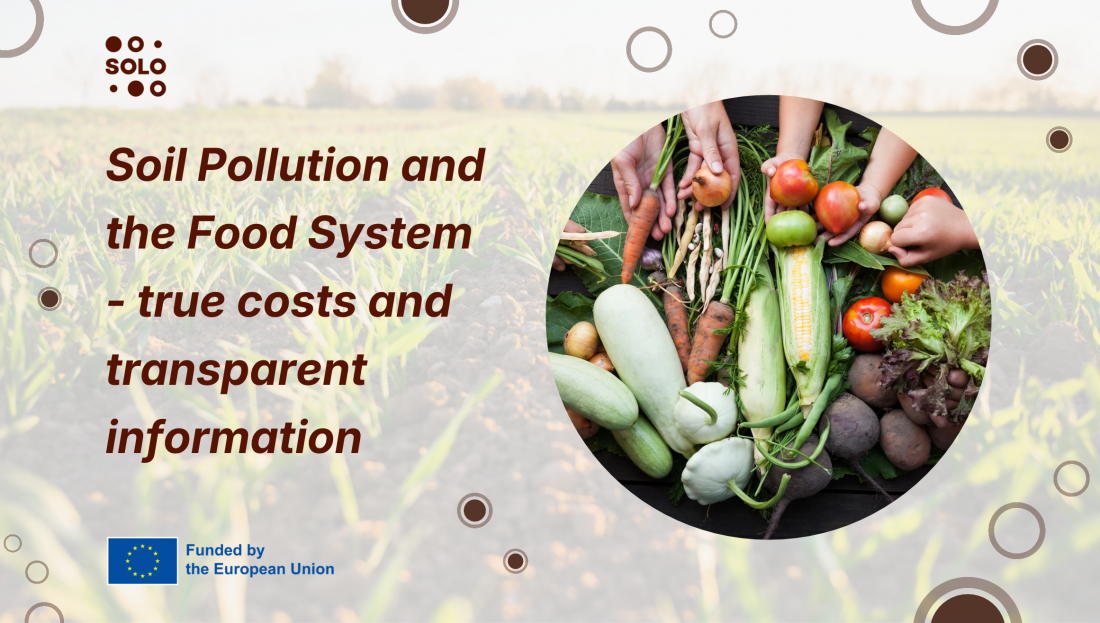
The Institute of Advanced Studies Kőszeg and PAN Europe, coordinators of the Soil Pollution Think Tank (TT) of the Soil for Europe project, held a webinar focused on held a summer webinar focused on preventing toxic chemical pollution in the #food system, which is strongly linked with soil pollution.
Preventing and reducing soil pollution is one of the top priorities and objectives of the Mission Soil. Knowledge on and awareness of its far-reaching harmful impacts continues to grow. Soil pollution greatly affects biodiversity, ecosystems and their functions, and human health, causing major costs for society. For example, available data show that mixtures of hazardous pesticides are widespread in our soils, water, wider environment, and food. There is an urgent need to recognise and account for the high societal costs of pollution in our soil, food systems and food chains. It is essential to ensure implementation and upscaling of available solutions, stop soil and food-system pollution at source, and transparently inform consumers on the toxic chemicals (used) in the (production of) food they buy.
The webinar’s aim was to discuss these important issues, gather insights from experts, and develop further understanding in key priorities for further Research and Innovation on Soil Pollution for incorporation in the SOLO R&I Roadmap. An introduction to the SOLO project and the webinar’s main purpose was given by Kristine De Schamphelaere (PAN Europe) (see here). The coordinators highlighted that anyone who has suggestions and feedback on the defined knowledge gaps, needed actions, and bottlenecks on soil pollution within SOLO’s Soil Pollution Think Tank (Preliminary Soil Pollution Knowledge Gaps Outlook document, and Roadmap on MIRO board) is very welcome to reach out to kristine@pan-europe.info and judit.pump@iask.hu (or comment directly through the Miro board link). The Outlook and Roadmap are still being updated and developed over the coming months, and aim to include expertise from a wide range of actors, research, and projects. The introduction was followed by three presentations addressing the issues from different perspectives.
1. The consumer dimension (of the transition to sustainable agriculture and food production) - Robin Simpson (see here)
Through the first presentation, Robin Simpson (formerly an independent adviser to the United Nations on consumer policy) outlined some of the main policy concerns relevant to consumers’ socioeconomic interests. He highlighted the importance of consumer resistance to retail price increases for essential goods and services, sometimes resulting from tax increases, and drew attention to the fact that such resistance is often underestimated.
He underlined the need to address the costs of standards and programmes affecting retail prices, and to consider how these costs are distributed across the food chain and what their impacts are as a result. He showed the wide range of retail prices for organic products across countries.
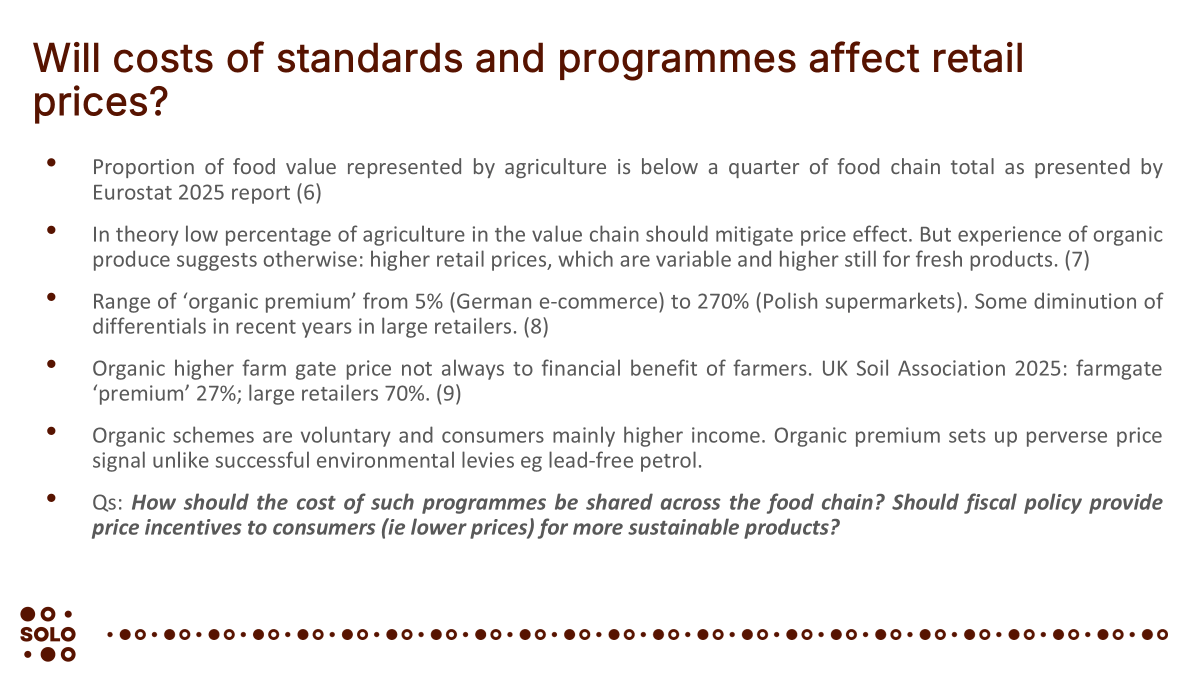
He highlighted the differences in approaches to pollution prevention, contrasting the environmental levies incentivising the consumption of lead-free petrol with the higher price of organic products. The environmental policy messages differ: in the first case, consumers were encouraged to choose the less polluting product, while in the second case, consumers currently pay higher prices for the more sustainable product. This is while, of course, less sustainable food products come with very high costs, which are carried by society in terms of impacts on ecosystems and human health, but not included in the price. He stressed the importance of considering what types of incentives could be devised in the context of food prices.
He underlined the complexity of the search for solutions such as fiscal measures, given the vastly greater range of products in the food sector compared with the narrower ranges in the petrol and tobacco sectors. The measures taken on petrol and tobacco were very difficult to agree on and apply; food could well be harder still.
He warned policymakers not to overlook the economic principle of Engel’s law (as a household’s income increases, the percentage of income spent on food decreases) when applying the ‘polluter pays principle’ and the ‘precautionary principle’.
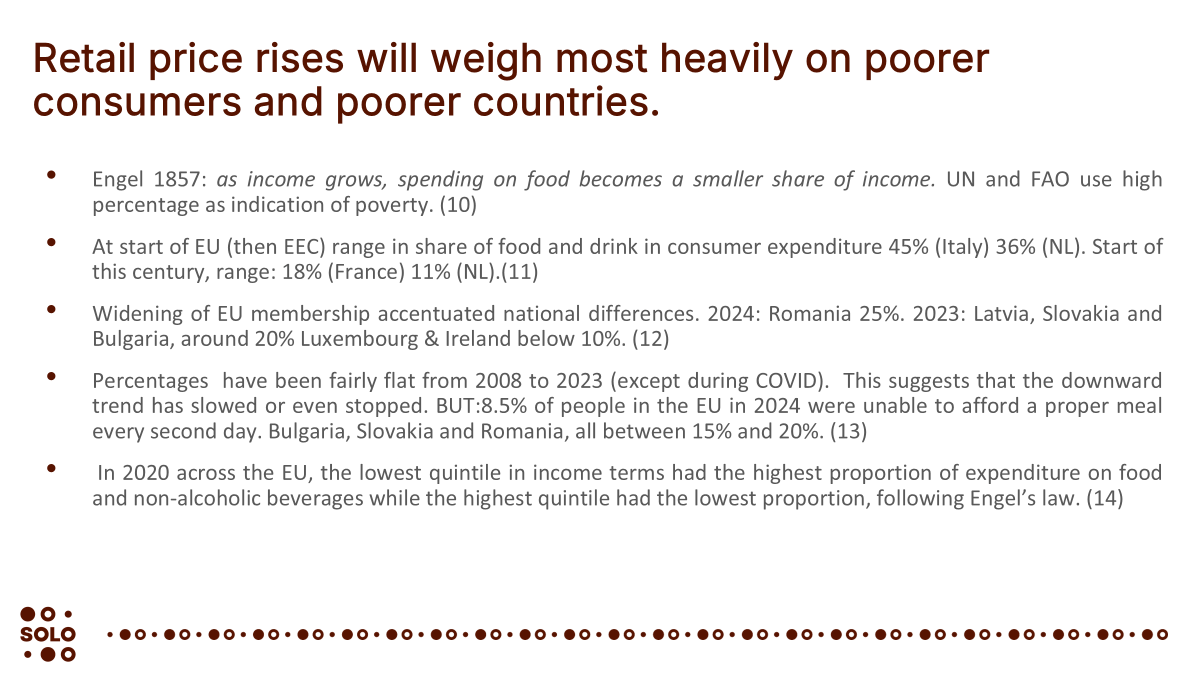
He emphasized the need to engage stakeholders across the whole food system to ensure a smooth transition.
2. Invisible Ingredients - Tackling toxic chemicals in the food system - Felix Cornehl (see here)
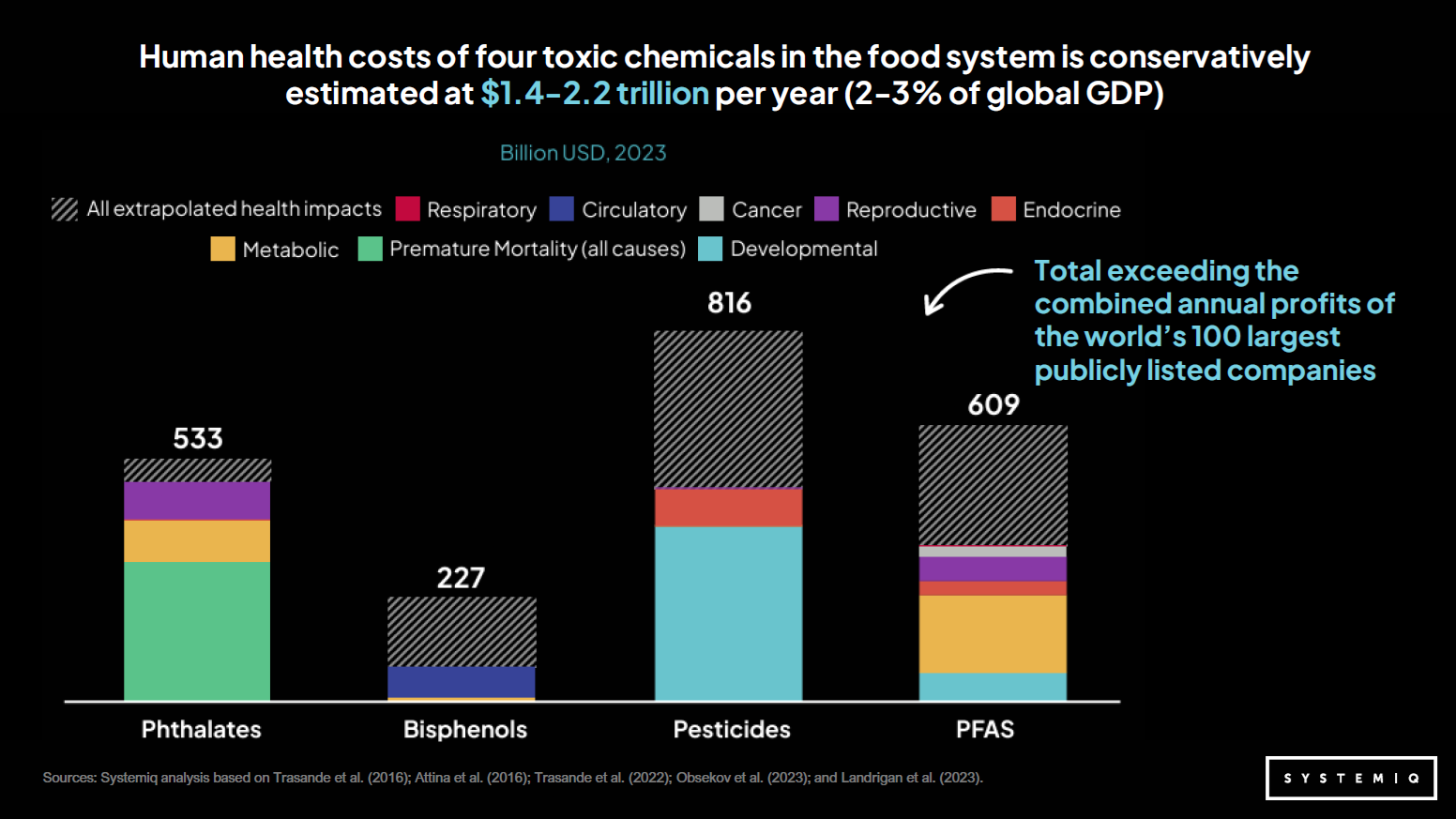
The second presentation was given by Felix Cornehl (Systemiq Ltd.), who provided an overview of key findings of Systemiq’s report Invisible Ingredients: Tackling Toxic Chemicals in the Food System. Systemiq’s purpose focuses on accelerating systemic change for a prosperous, net-zero world. The Invisible Ingredients report represents the most comprehensive global assessment of the harms of 4 toxic chemicals in the food system, with important links to soil pollution: Phthalates, Bisphenols, Pesticides, and PFAS. These chemicals were chosen as they are very prevalent in the food system and have strong evidence related to their harm.
“Globally, our assessment indicates that the combined food-related health costs of these 4 chemical groups amount to around $1.9 trillion, or 2 to 3% of GDP, annually. That is more than the combined profits of the world’s 100 largest publicly listed firms. This is a massive problem.”, explained Felix.
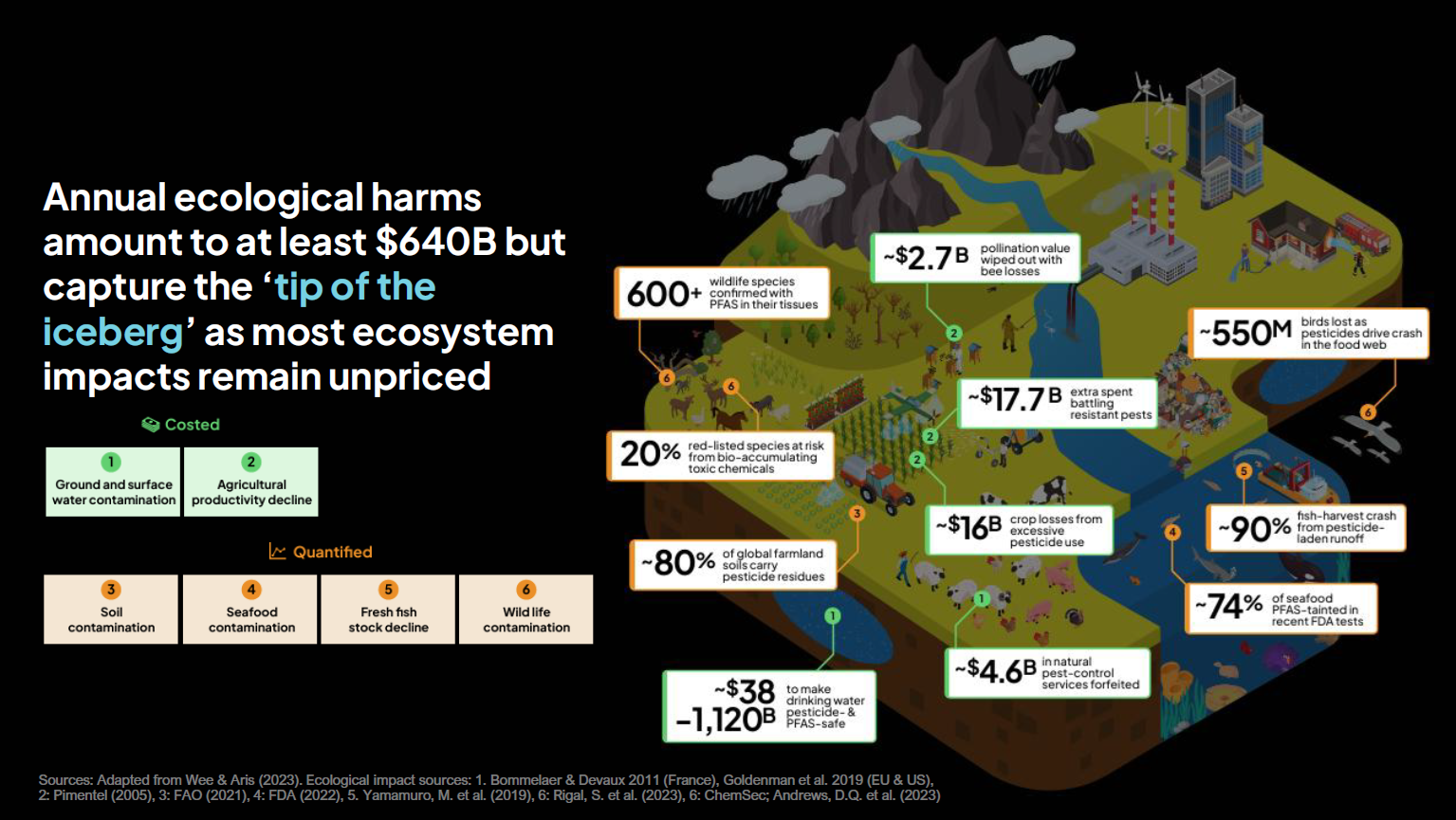
The report also tried to account for some of the ecological harms of these substances, for example, meeting water safety standards for PFAS and pesticides, and productivity losses due to these pollutants. These costs were estimated at at least $640 billion annually, which is, however, only a very small fraction of the ecosystem damages caused by these hazardous chemicals. For example, the assessment was not able to quantify soil contamination and biodiversity decline.
“The bad news is we have these very severe harms from these hazardous substances. The good news is we think a massive reduction in these substances and their associated harms can be achieved with solutions that are technically available and economically feasible today”.
The presentation zoomed further in on pesticides, chemicals designed to kill living organisms (e.g., pests), but often strike beyond their targets. The report highlights a high reduction potential: in the EU, a massive reduction in the volume of pesticide used could be achieved through the implementation of existing policies and solutions: a combination of Integrated Pest Management (IPM) (crop rotation, crop cover, natural control and biocontrol, …), organic farming, precision application technologies, safe substitutions (e.g. biopesticides) and innovation and/or scale-up measures.
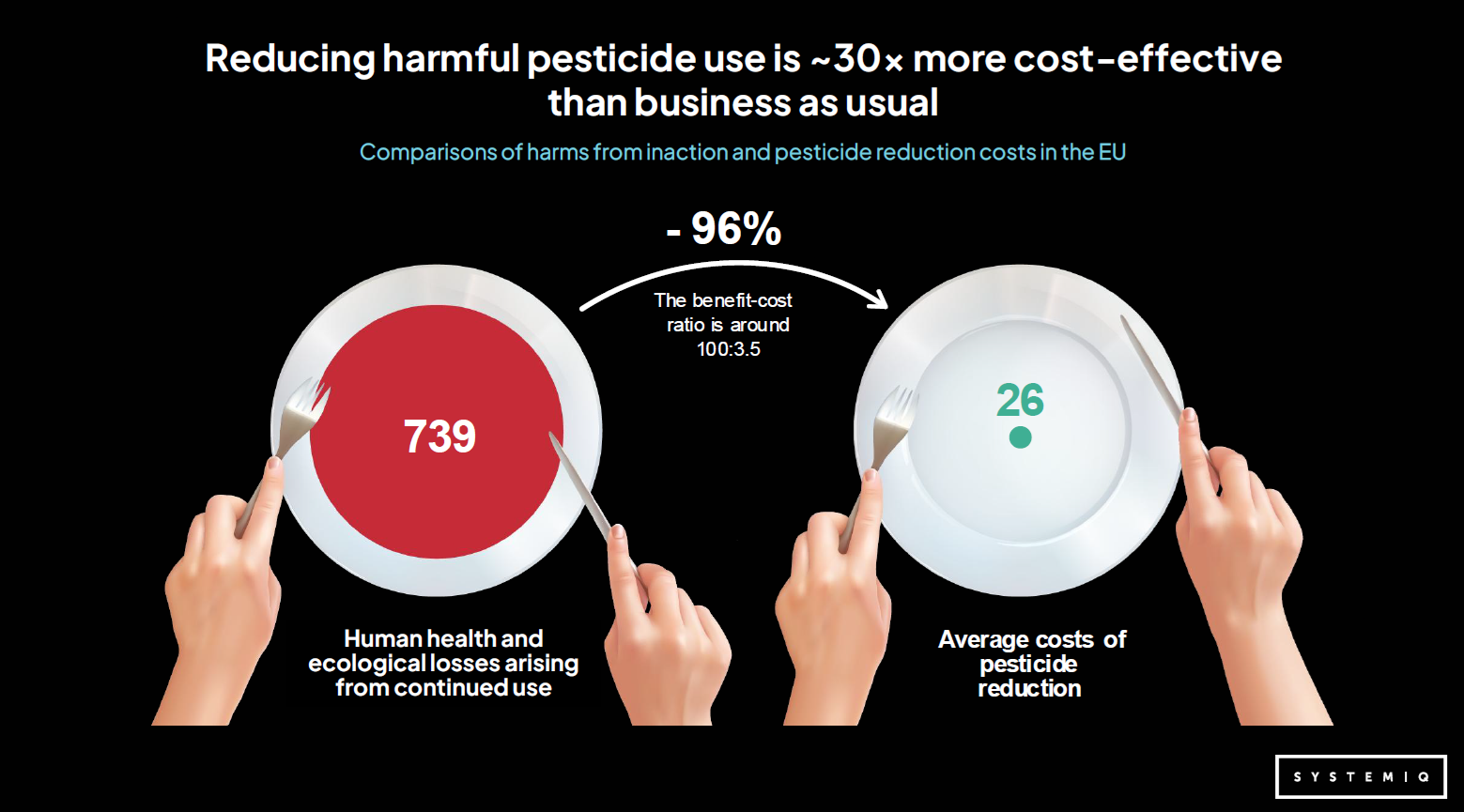
“The human health and ecological damages by pesticides greatly exceed the costs of pesticide reduction, the latter only being 4% of the costs linked to human health and ecological damages. Reducing pesticides is not an economic burden. It is a corrective investment that pays for itself many times over, with a benefit-cost ratio of about 100:3.5”, Felix underlines.
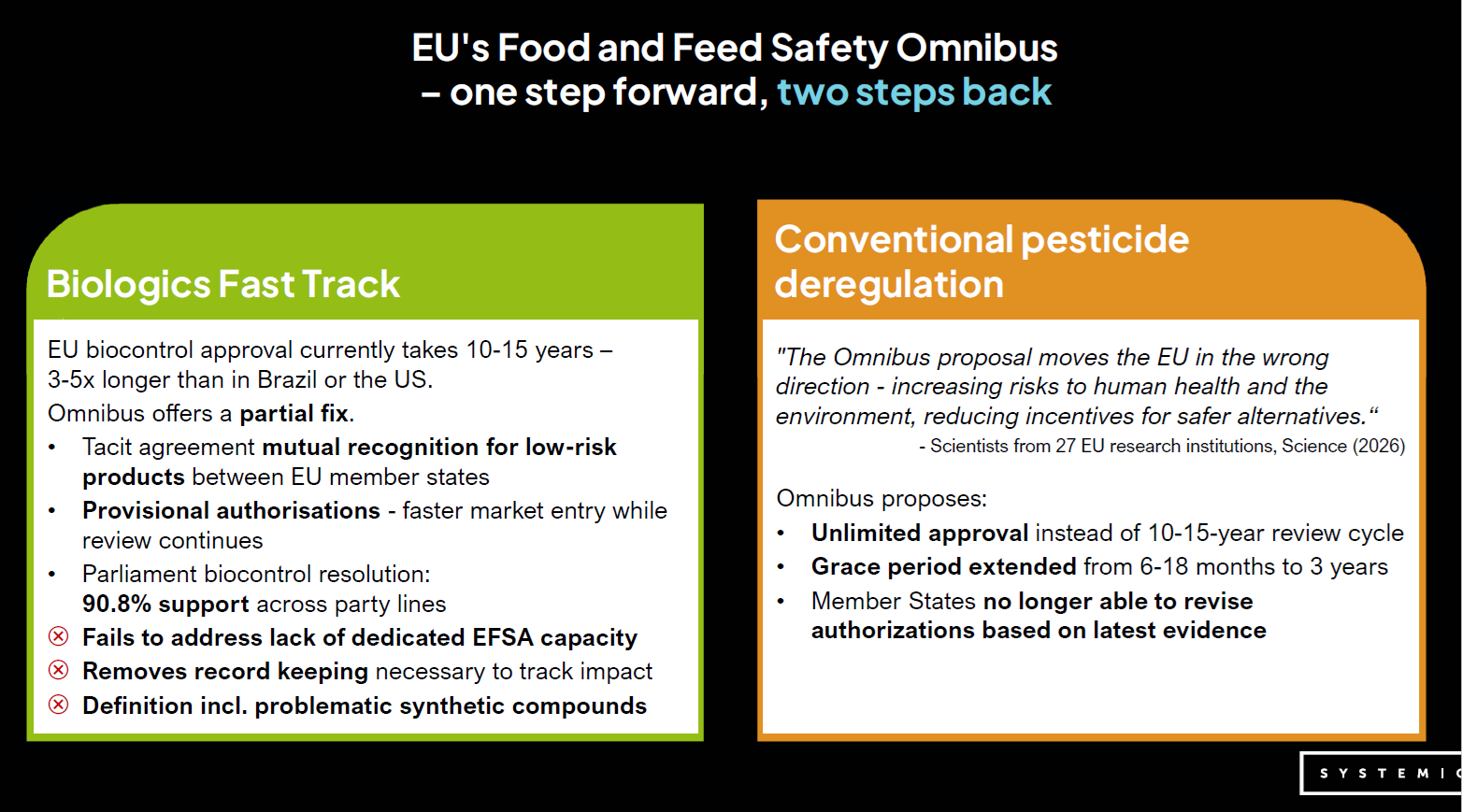
Finally, Felix reflected on the European Commission’s proposed “Food and Feed Safety Omnibus”. The EU is slow to approve and adopt safer alternatives to harmful pesticides. Biologics take 10-15 years to approve compared to as low as 13 months in Brazil. That lack of approved alternatives can, in combination with a lack of implementation of alternatives, result in EU member states resorting to emergency authorisations for banned substances. He underlined that the proposal fails to address the lack of dedicated EFSA capacity to evaluate and approve novel pesticides, which have to wait in a queue behind re-authorisations. Although there is a real need to address the delays in authorisation of safe biocontrols, the Omnibus also significantly worsens key elements of pesticide risk assessment and authorisation, leading to a one step forward - two steps back situation. For instance, the Omnibus proposes to remove critical provisions such as record-keeping of biocontrol, which is needed to track impact, and a too-open definition for biocontrol which could include problematic compounds. The Omnibus also includes deregulation beyond biocontrol, said Felix, referring also to a statement of scientific institutions in the journal Science. Key problematic proposals include unlimited approvals, extended grace periods, and Member States that would not include the latest scientific evidence anymore in the risk assessment and authorisation of pesticide products.
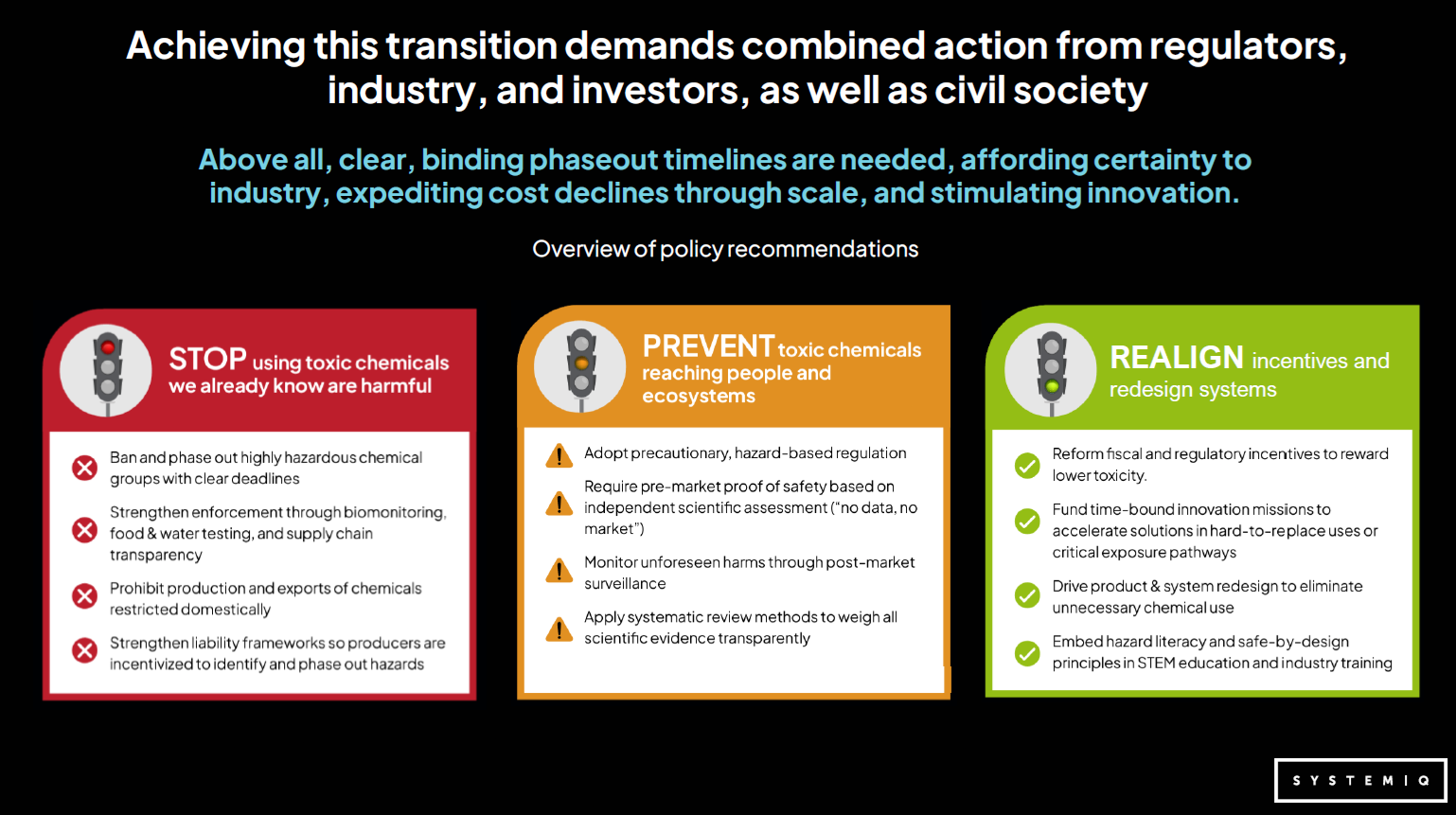
The presentation concluded by underlining that achieving transition demands combined action from regulators, industry, investors and civil society. Above all, clear, binding phase-out timelines are needed, affording certainty to the industry, expediting cost declines through scale, and stimulating innovation. The report proposes a phase-out process based on three main elements of a traffic light: stopping the use of toxic chemicals with already known harms through bans and phase-outs (red), preventing toxic chemicals from reaching people and the ecosystems through precautionary, hazard-based regulation (orange), and realigning chemical-related incentives and design systems, including by embedding safe-by-design principles (green).
3. PESTI-score, a prototype label designed to engage consumers and encourage farmers to drastically reduce their use of pesticides - Nicolas Munier-Jolain (see here)
Nicolas Munier-Jolain (INRAE), who was also coordinator of the project IPMWORKS, provided a detailed introduction to how consumer information on farmers’ pesticide use could affect market shares and, as a result, could shape farmers’ behaviour. Nicolas first introduced a map of France indicating the correlation between reduction in pesticide use measured by the Treatment Frequency Index and profitability in one thousand different farms. The data show that in the large majority of cases, pesticide use did not impair high productivity and profitability of the farms (Lechenet et al., 2017 - Reducing pesticide use while preserving crop productivity and profitability on arable farms).
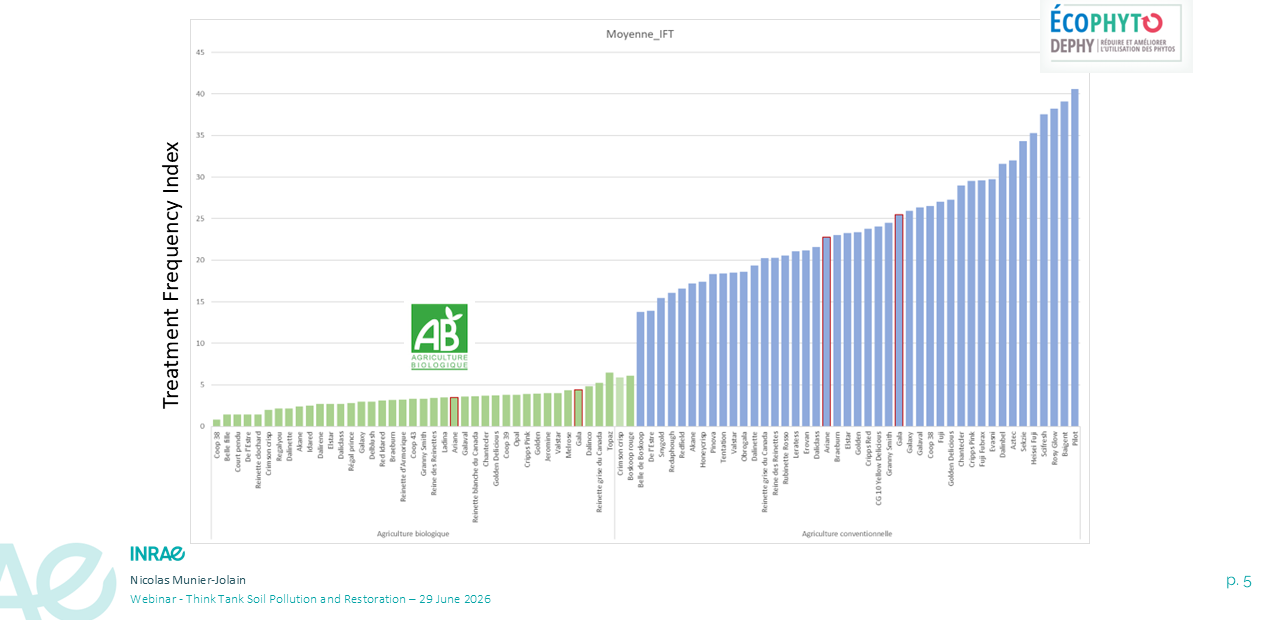
The presentation zoomed in on apple orchards and existing alternatives to pesticides, such as cover crops, mating disruption, and scab-resistant cultivars. Nicolas showed the Treatment Frequency Index for a variety of organic and conventional apple cultivars, based on data from the DEPHY network, pointing out that the frequency and the toxicity of the pesticides used differed significantly across cultivars. The main known apple cultivars sold by supermarkets are very sensitive to apple scab and are highly treated up to 40 times a year. This is while there are some cultivars which are much less treated as they are less sensitive to the disease, such as the ‘Crimson crisp’.
“The Crimson Crisp is described as having ‘firm, crisp and juicy flesh, with a refreshing sweetness. The perfect apple to enjoy at any time of the day.’ Reducing pesticides should not be associated with less taste or unattractive fruits; on the contrary”.
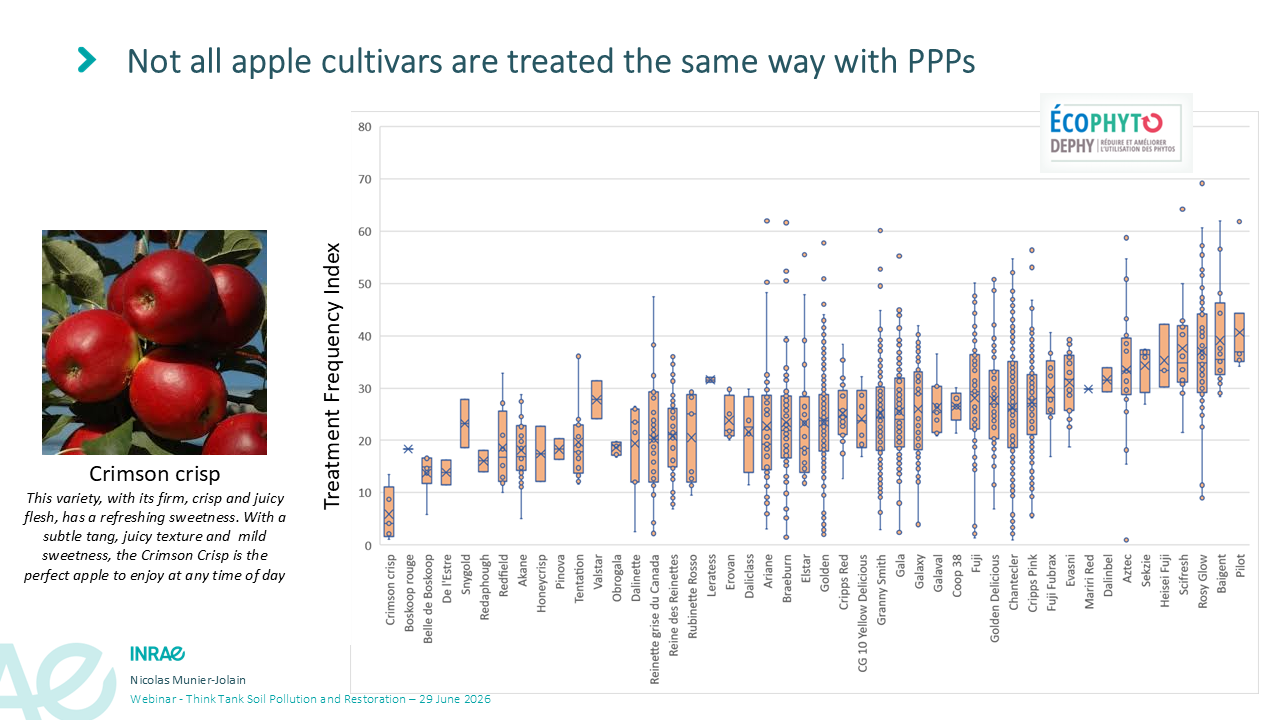
While organic cultivars are much less treated with pesticides, as shown in the graph, there is also use of some pesticides, such as copper-based fungicides.
Nicolas’ presentation addressed the complex question, ‘since reducing pesticides is technically and economically possible, why are not all farmers ambitiously reducing pesticides’? An important element is that IPM is often complex and knowledge-intensive. Moreover, there are important market lock-ins. The market often wants some well-known cultivars, which of course greatly limits the farmers' maneuvering space to shift to other cultivars. Reducing pesticides should be economically attractive and desirable for farmers. Moreover, agri-food chains and consumers should be engaged, which requires consumers to be well-informed based on full traceability.
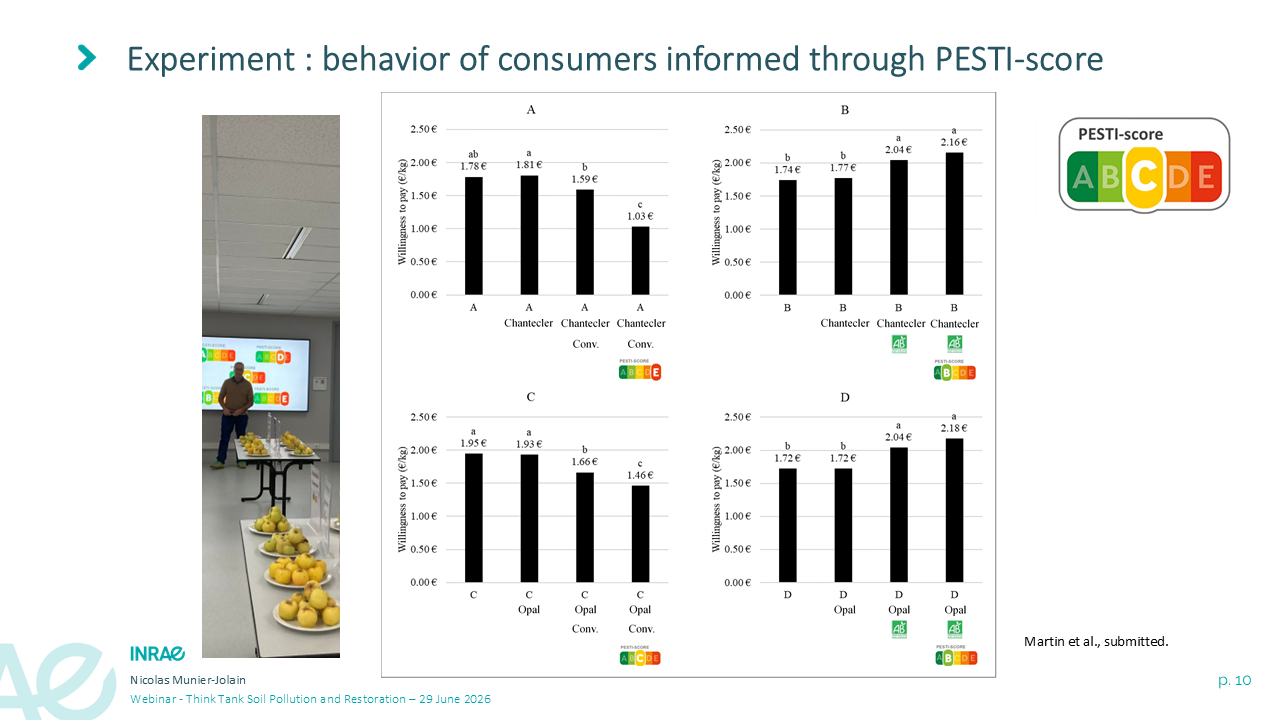
In view of the need to inform consumers as an important element to overcome these lock-ins, Nicolas and colleagues carried out an experiment with 4 apple cultivars (Chantecler organic and conventional, Opal organic and conventional) and 148 consumers. The experiment assessed how a PESTI-score informing the consumer about pesticide use could change consumers’ willingness to pay and could shape markets to the benefit of farmers who reduce pesticide use. The data show that the willingness to pay decreased greatly when a PESTI-score of E was disclosed for the cultivar. The willingness to pay increased a lot when it was disclosed that a cultivar was organic, and increased even more when it was shown that the PESTI-score was B.
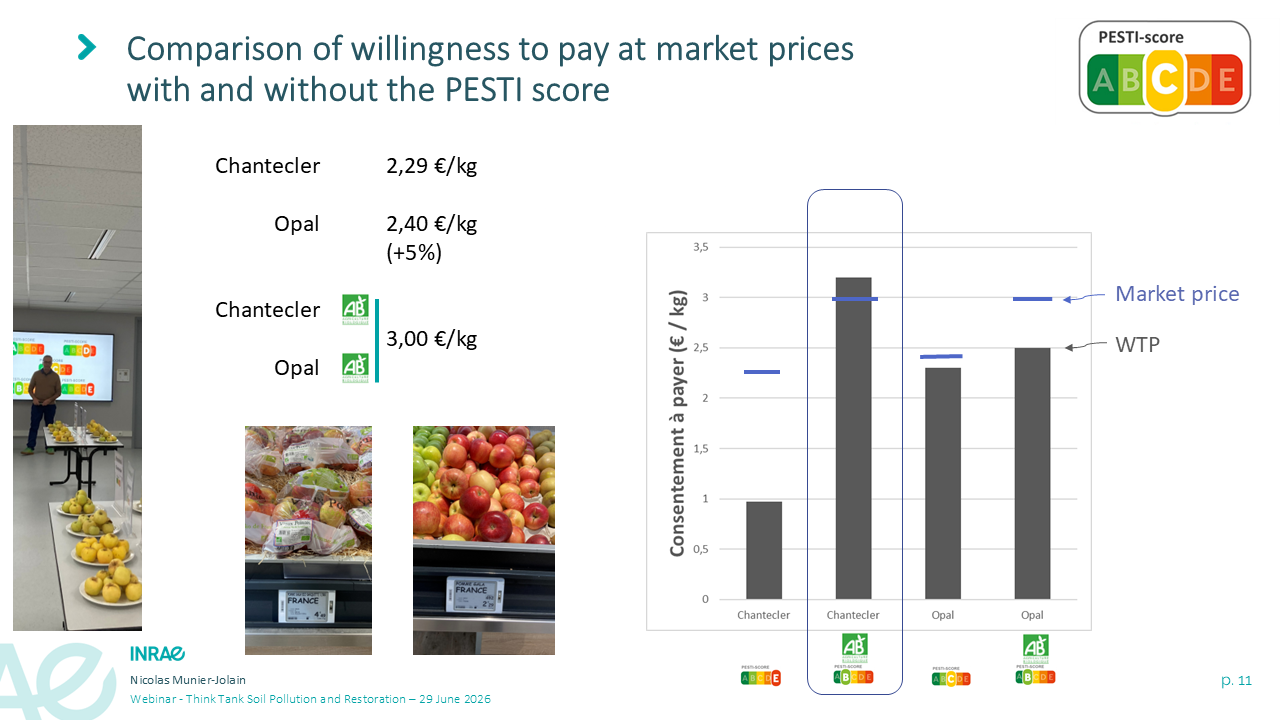
The experiment also compared the willingness to pay, with and without the PESTI-score information, with the actual market prices. This provided information about what type of apple each of the participating consumers would purchase in a supermarket, both in the current situation and in a possible future situation when consumers would be informed through the PESTI-score. This allowed us to estimate the potential impact of the PESTI-score on the market share of the four apple types, and therefore on pesticide use in the orchards.
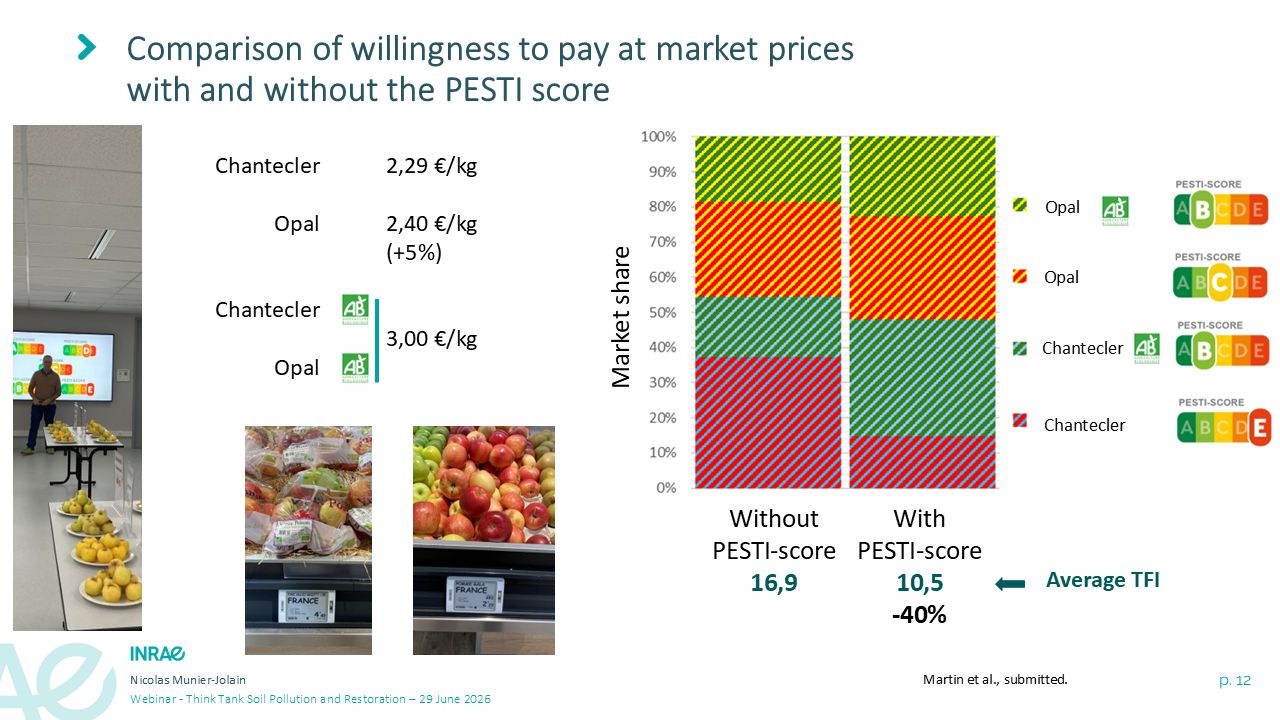
The market share of the conventional Chantecler with score E (sensitive variety, so highly treated) would greatly reduce, while both organic apples would greatly increase in the market share. Interestingly, the conventional apple Opal with score C (resistant cultivar, so moderately treated) would also tend to increase in market share.
“Our experiment indicates that without PESTI-score, the average Treatment Frequency Index for the current market share situation of these 4 cultivars would be about 17, while after introduction, this would decline to 10.5, a decline of average pesticide use for French orchards of about 40%. This is quite a large reduction, based on just informing the consumers”, Nicolas underlined.
“A PESTI-score should be based on full traceability of the pesticide treatments, to gain the trust of consumers, and to provide opportunities for farmers to make their pesticide reductions immediately visible directly to consumers, and to have an impact on the prices for the farmers. The score should provide a scale of progress. Information should be easy to understand, with no room for any greenwashing”.
Nicolas emphasized that the PESTI-score, which requires further development, would establish a transparent link between farmers’ practices and consumers’ decisions, showing a scale of progress, to ultimately support a much-needed shift to reduced pesticide use.
You can watch the recordings of the three sessions here.